Rediscovering Ancient Selinus: Unraveling the Roman Baths in Skopelos Island, Sporades
Amidst the azure waters of the Aegean Sea lies the enchanting island of Skopelos, a true gem in the Sporades archipelago. Beyond its picturesque landscapes and charming villages, Skopelos cradles a piece of history within its embrace. Here, the ruins of Ancient Selinus and the remnants of Roman baths softly whisper tales of eras long past.
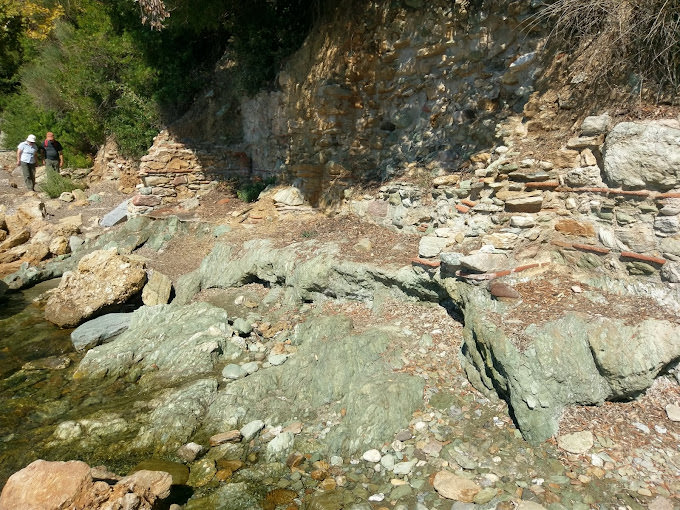
Selinus, an ancient city also referred to as Selinous, was one of the trio of historic settlements situated on Peparethos Island. The Roman Baths were constructed southeast of Glossa in the area known as “Katakalou.” The Roman Baths in the sea at Katakalou were unearthed by G. Dionysiou. Their significance in the region’s social life is evidenced by the enduring name “Loutraki,” which persists in collective memory to this day. This site exemplifies the public architecture of its era. Dating back to the late 3rd century AD, the Roman thermal baths reflect the Roman view that such facilities were not only for personal hygiene but also served as venues for socializing, walking, exercising, and integrating into city life.
The only preserved sections of the ancient city today are the remnants of the southeast walls and an ancient building, both dating back to the 5th-4th century BC.
The Magnificence of Roman Baths
During the Roman period, Selinus experienced notable growth and prosperity. This era saw the construction of architectural wonders, including the famous Roman baths, which exemplified the sophistication and luxury typical of Roman cities. The present-day name of the settlement, Loutraki, underscores the baths’ significant role in the community’s social life. These baths were not only venues for personal cleanliness but also spaces for exchanging ideas, meditating, strolling, exercising, and other social activities. They were central to the social fabric of the city.
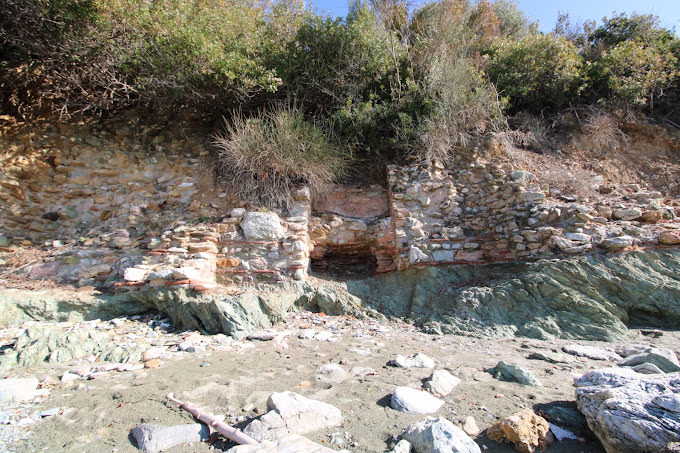
Roman Bath Orientation
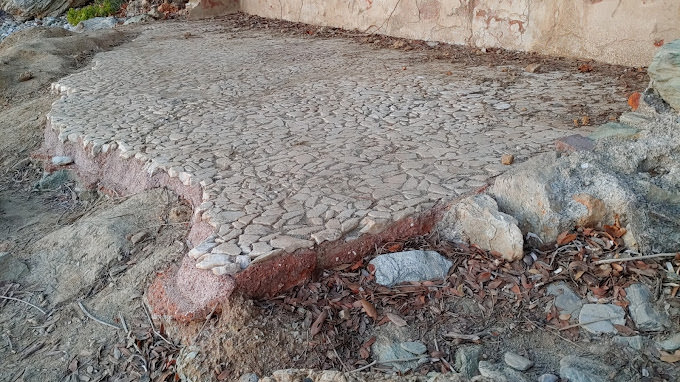
The baths are oriented to the northwest, with a visible length of 42 meters and a width ranging from 0.5 to 4.5 meters, excluding the portions now submerged by the sea. From west to east, seven sections remain unexcavated. In Section 1, the floor is covered with a mosaic made of opus caementicium. Section 4 features remnants of a low-burning structure with round earthen supports (pilae), above which lie flooring tiles (suspensuae). Section 5 shows evidence of low burning and is likely the praefurnium; it is also possible that this section contains the common reservoir (alvus) of the Baths.
Parts of Selinounda in Greek Archeological Museums
Archaeological remnants from Selinounta include parts of the south-east walls from the 5th to 4th centuries BC and ruins of ancient buildings from the same period. Additionally, artifacts such as engraved tombstones, small marble statues, Hellenistic and Roman inscriptions, and graves have been uncovered in the area.
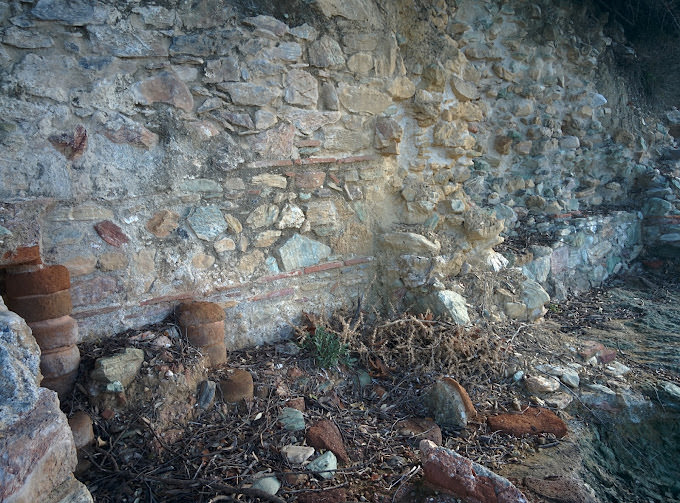
In 1865, a marble statue of the goddess Athena, a replica of the Athena Parthenos by the renowned sculptor Pheidias, was discovered in the area. This statue is now housed in the National Archaeological Museum of Athens. At the same time, many additional relics from this location are housed and preserved in the Archaeological Museum of Volos. Today, the only remaining part of the baths is the mosaic floor, half-submerged in the sea.
Ancient Selinounta
The Roman baths in Selinus were not just bathing places; they were sophisticated complexes built to support a variety of social, cultural, and leisure activities. These baths were crucial to Roman society, functioning as communal areas where people gathered to clean themselves, socialize, and participate in intellectual and physical endeavors. Carefully constructed, the Selinus baths showcased Roman engineering excellence. Decorated with marble columns, detailed mosaics, and intricate frescoes, these luxurious establishments demonstrated the wealth and sophistication of the city’s upper class.
Ancient towns’ history is always fascinating. In Roman times, Selinounta was a serene, cosmopolitan, and wealthy spa town. The town’s architecture included at least two-story buildings constructed in the typical Roman style. Like other Roman coastal cities that merged commerce with nature, Selinounta featured public spaces, likely including temples and baths. Inscriptions, statues, and reliefs from that era reveal a society deeply immersed in Roman culture. The local elite’s wealth is demonstrated by luxurious imported goods from ancient Asian Minor cities, such as sarcophagi found in Selinus and ancient Peparethos. Furthermore, Ancient Selinus was actively engaged in the maritime trade network of the Roman Empire, conducting commerce across the northern Aegean Sea to Lebanon, Egypt, the Adriatic, and Sicily.
Conclusion
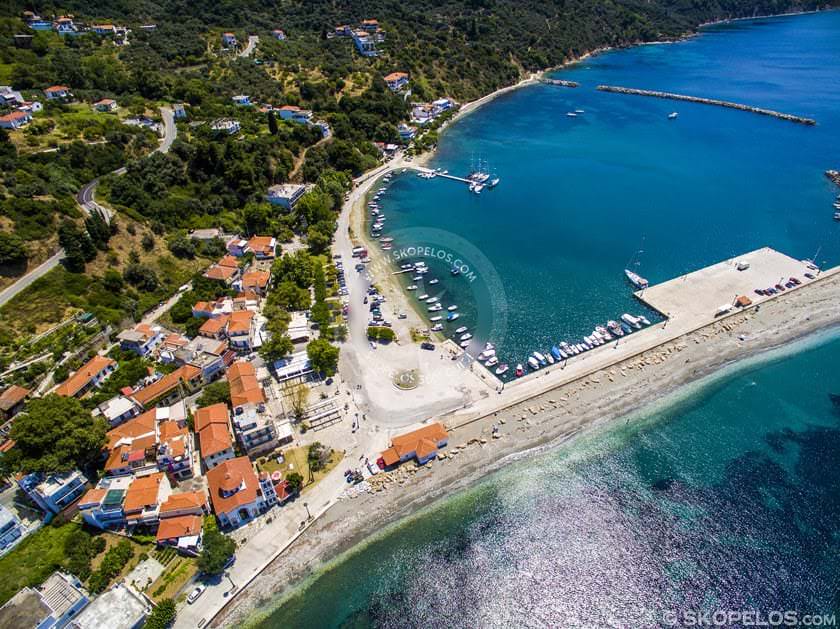
Frequent and powerful earthquakes throughout history have significantly altered the landscape, causing substantial portions of the ancient coastline to submerge into the sea. Today, visitors to the southeast coast of Loutraki, specifically in the “Katakalou” region of Skopelos Island, can observe only a few remnants of the Roman Baths. The most notable preserved feature is the mosaic floor, which is now partially submerged in the sea.