Marriage
Skopelos Culture
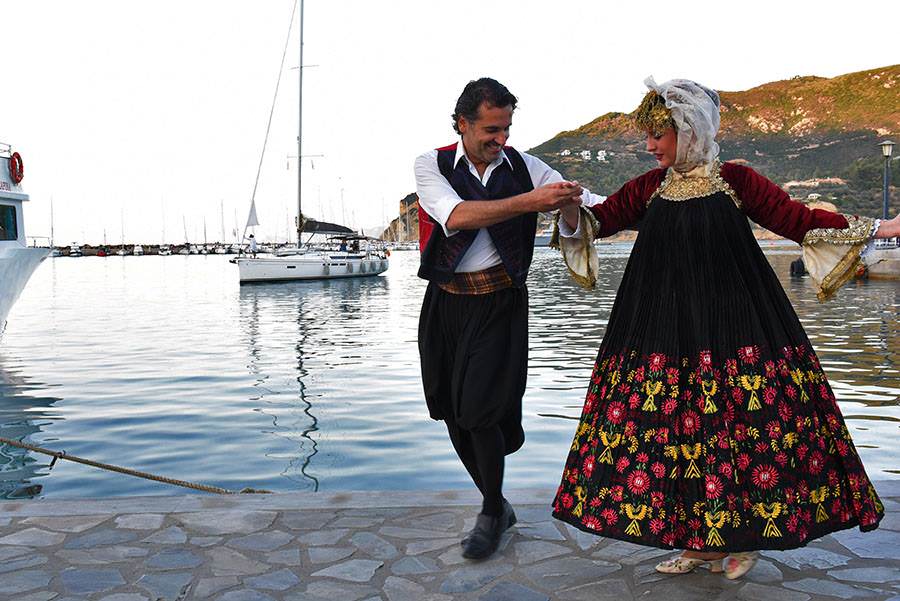
Matchmakers handed over sensitive issues that preceded their marriage, and in mediation, naturally, they were awarded the golden lyre. If the other party descended from the subsequent drawing up of the marriage contract (bouleti). Then an engagement, always on Saturday, called batikia (at Skopelos engagement also called pandria). Father, mother, and the bride’s relatives went to the groom’s house after sunset, holding red lanterns made of paper dovetails. A procession was followed by female members of the family dressed in traditional costumes. At Gloss, it was the groom’s relatives who went to the house of the bride, holding torches in their hands. After the agreement, the parents offered the girl a scarf and a basket full of confectionery and flowers as a sign of consent. Chamalia, a kind of local pastry made of marzipan, was a common treatment in these cases. During batikia, in Skopelos, the bride wore morko. Pleated dress made of glossy satin, tsatsaros, and kollaina, the bust, bones, and Aeras on the head, as well as jewellery.In Klima,
Eight days after Batikia, the woven slippers couple lying on the pillow was sent to the groom. He returned on Friday, the day before the wedding, thus indicating his impending departure from his homeland. A list of all commodities (bouleti) was also placed on Friday. The wedding (skopelos marriage) was always located on Sunday. On Friday, anapiasmata was held at the bride’s house, namely the kneading and baking of bread for the wedding dinner. In Gloss, they used to knead bread rolls for weddings during anapiasmata, instead of bread. On this occasion, the bride and handing out money to passers, presented rasimata, in other words, they put the money on the tray, which was designed for the bride.On Saturday morning,
The groom goes dead animal house of the bride and the number of bottles of aged wine, both white and red. Slaughtered animal, called trai, was decorated with a red ribbon tied around its belly and with cloves around its legs. During the night, a holiday called Antigamos was held at the bride’s home.On Sunday morning,
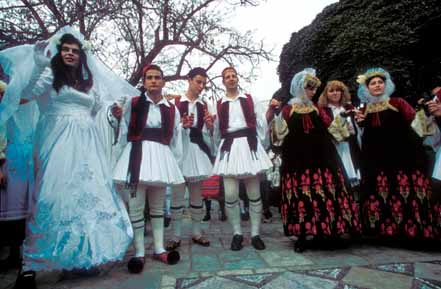
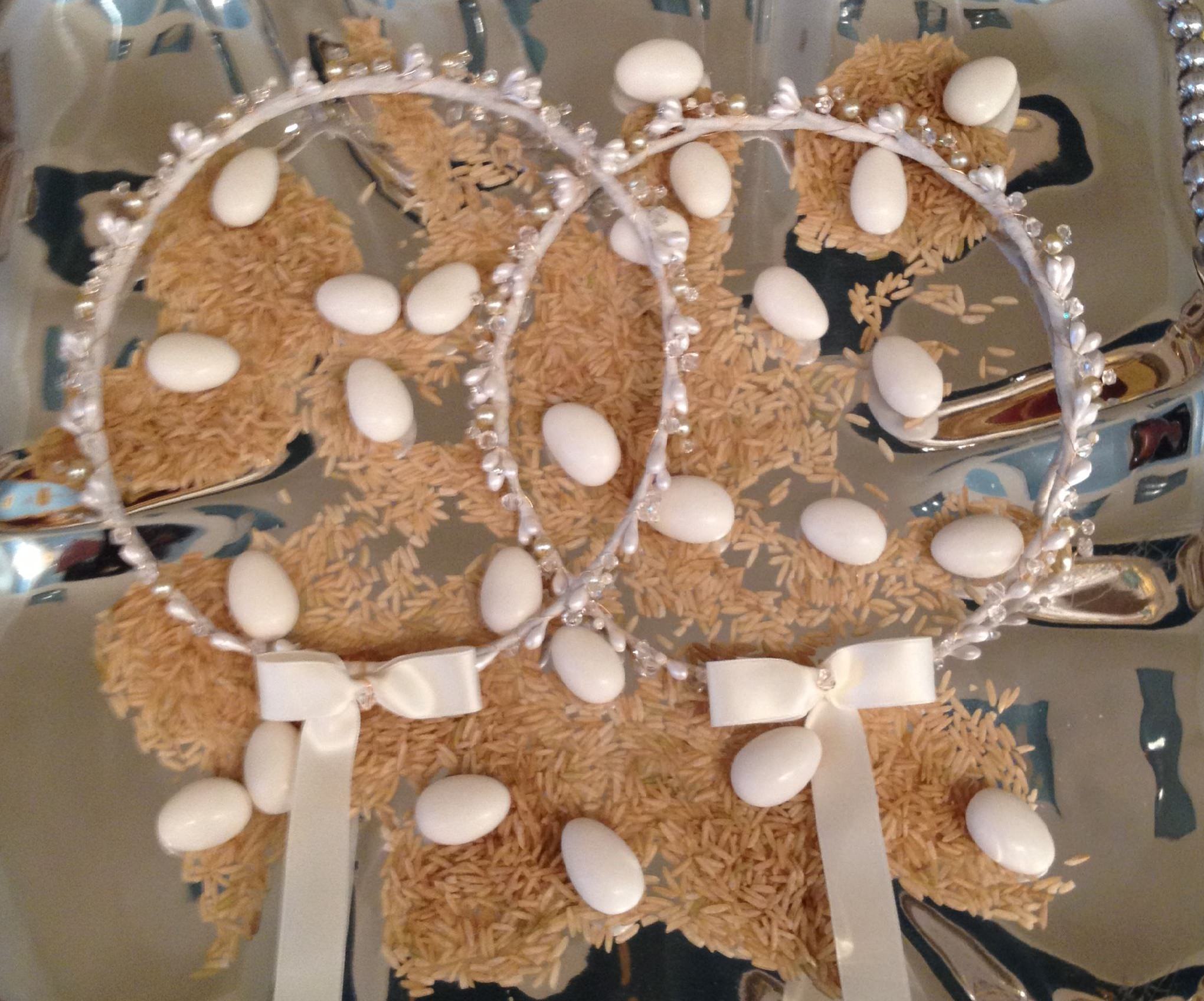
The best woman sent golden orange tree leaves to the bride. The latter, after taking a bath in the musk and rose water, was captured by a group of women. On the eve of her wedding, she had her hair dyed in chochlo (black paint), made in slender bundles, and tied up in the bones. Tsitsakia pinned on bones. Finally, Aeras has been attached to it, namely, a bright white, very thin silk scarf with gold lace – borbiloto-finish. Kaptseli, crimson velvet ribbon was tied under the chin to secure and hold the hat in place. Before leaving, the bride wore an abodema around his chest like a talisman against evil and, in particular, to avoid witchcraft. In the second half of the day was the wedding. Guests, together with violins, collected the best man, after which the bride and groom at last. The procession was in the church where the wedding was to be performed. The particular local custom was to taste nuts and honey across kalesoura (namely, all the guests). The ceremony was followed by a dance kontoura, held in front of the church with drag and drop, gentle movements, so perfectly kontoures (woven slippers) would not slip out of the legs. This was followed by the wedding feast, where guests dined on longboards laid out on the tablecloth. At dawn on Monday, they escorted the best man singing “Now the birds are now signs”, while the couple retired. On the following Tuesday, a small child was sent to the mother of the groom’s newlyweds, holding a pitcher of water and cloves. The first appearance of the groom after the wedding took place on the following Wednesday, while the bride was not until a week after the ceremony.Loading Images