Rodios Nikos
Skopelos Nikos Rodios Ceramist
Skopelos Artists
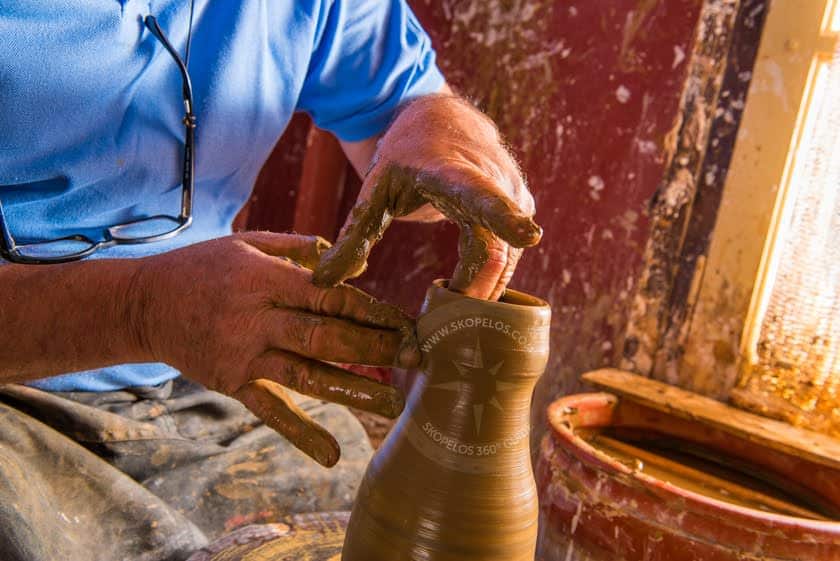
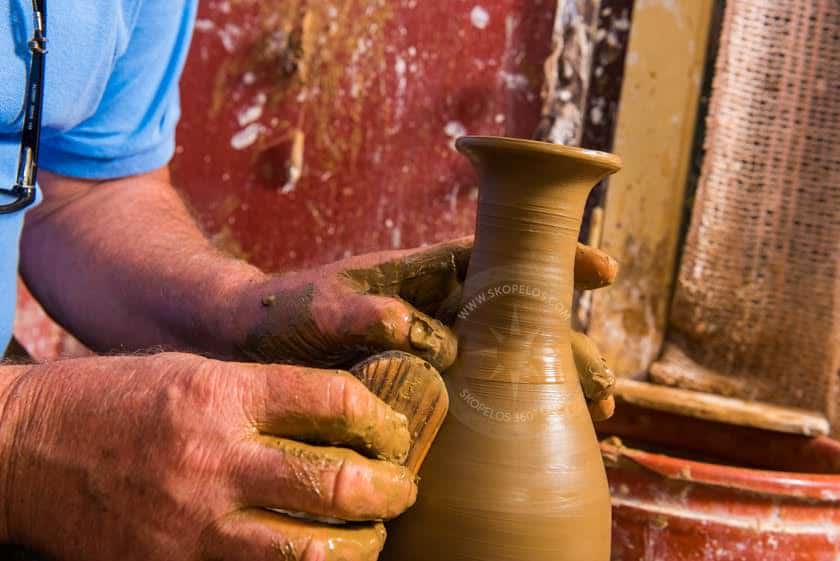
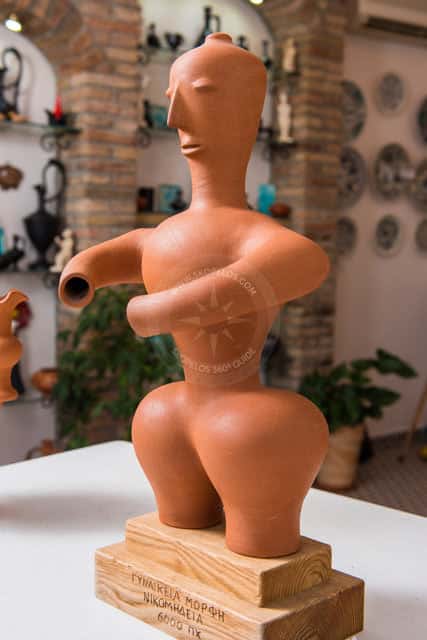
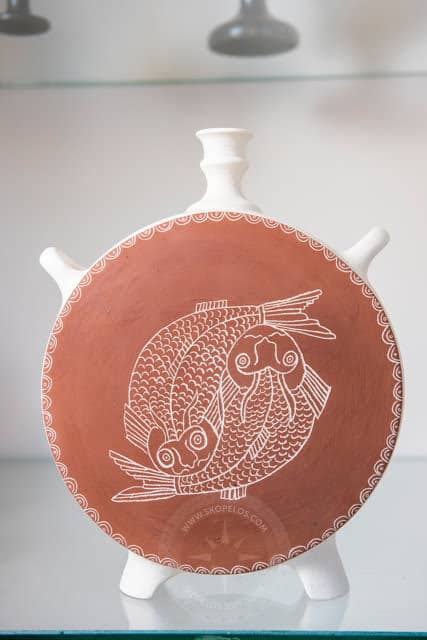
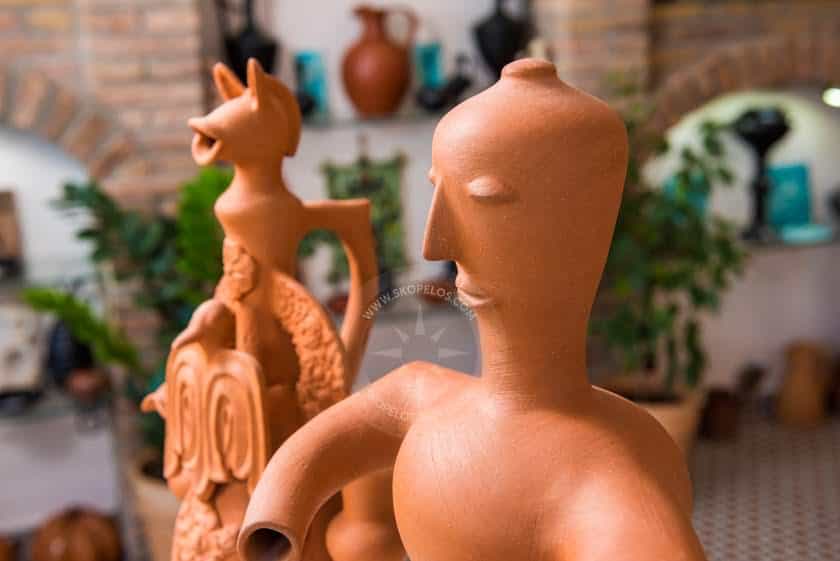
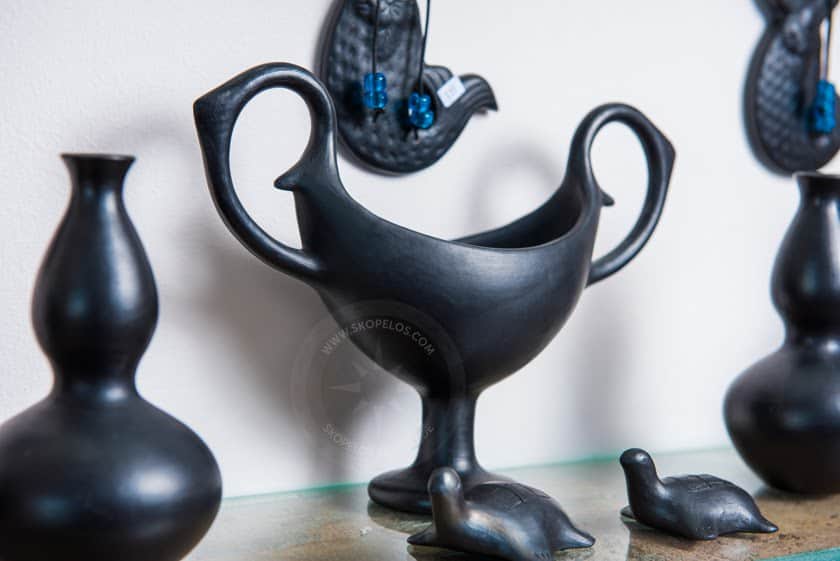
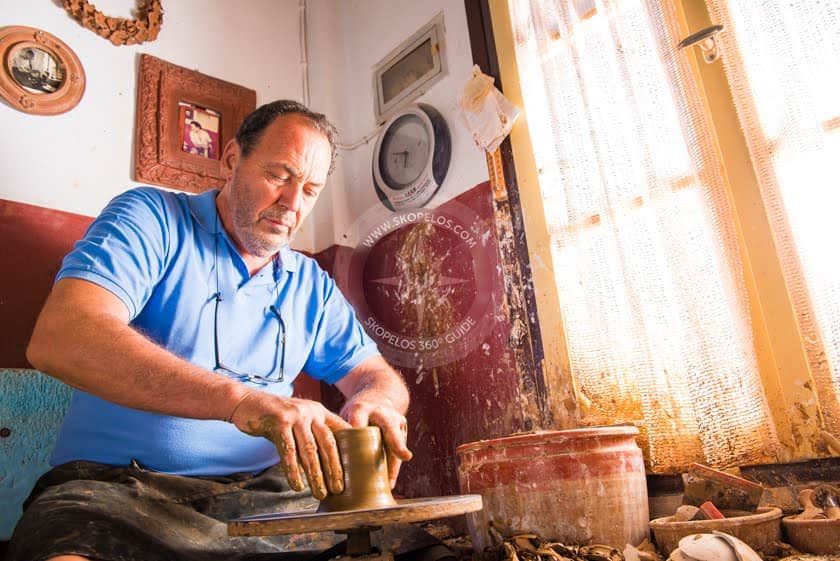
The excellent ceramist Nikos Rodios continues with the same passion the tradition of his ancestors, constantly seeking new forms and new techniques.
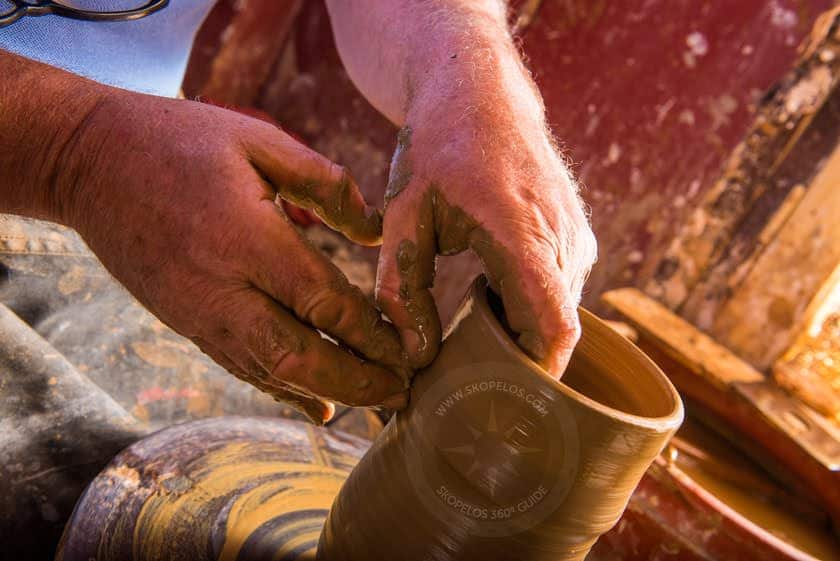
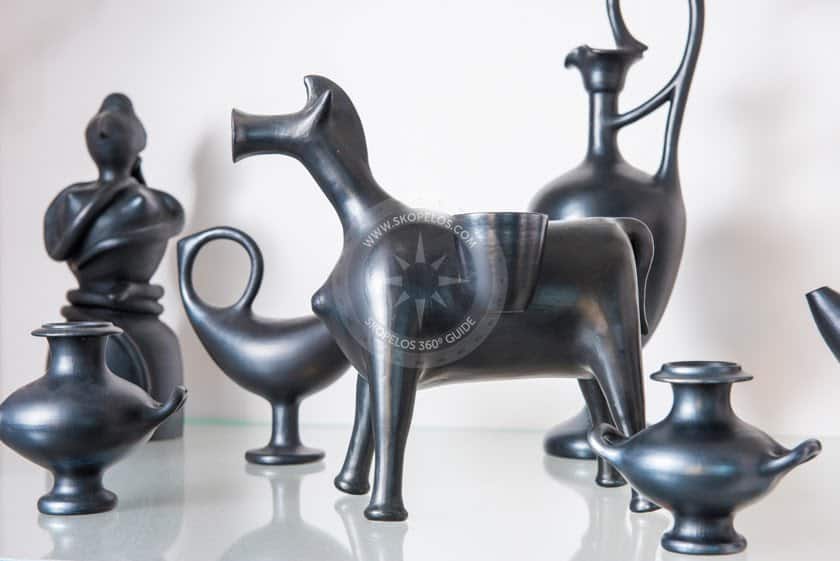
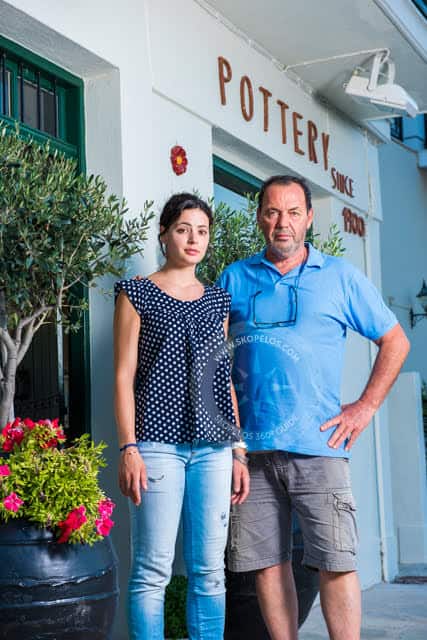
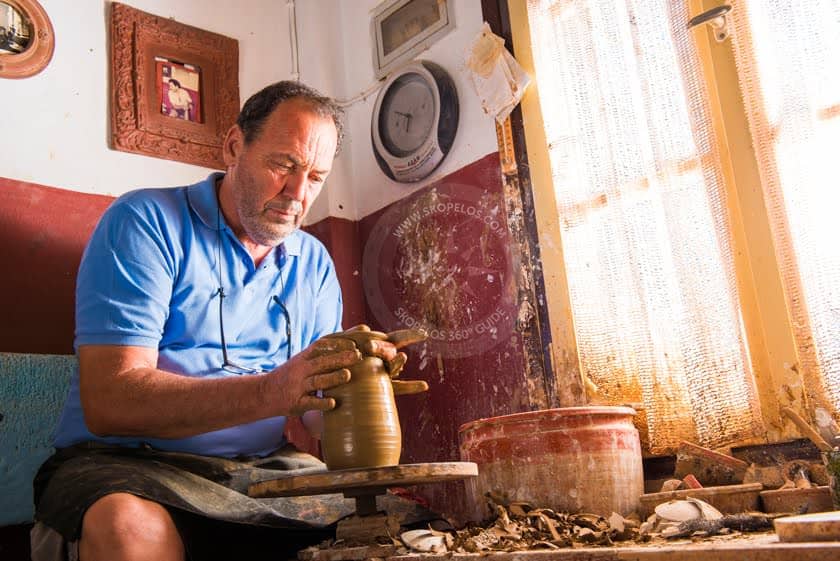
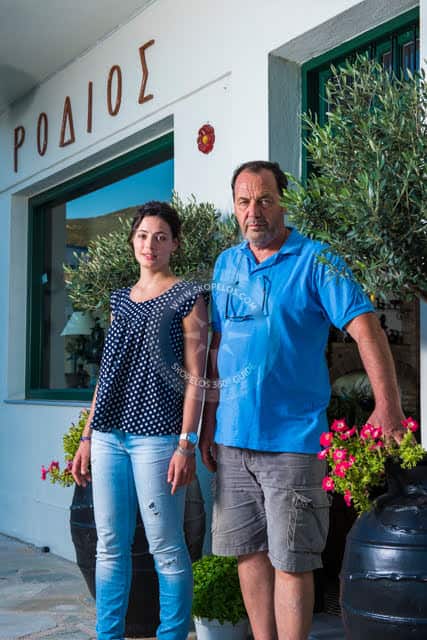
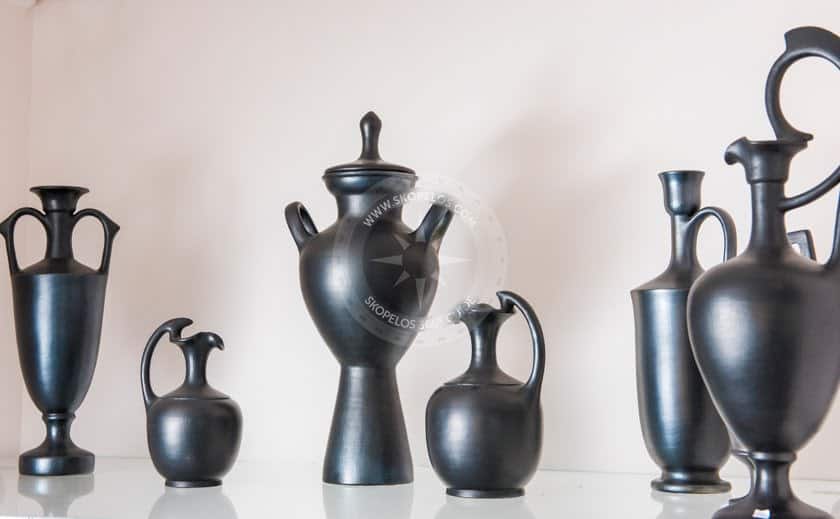
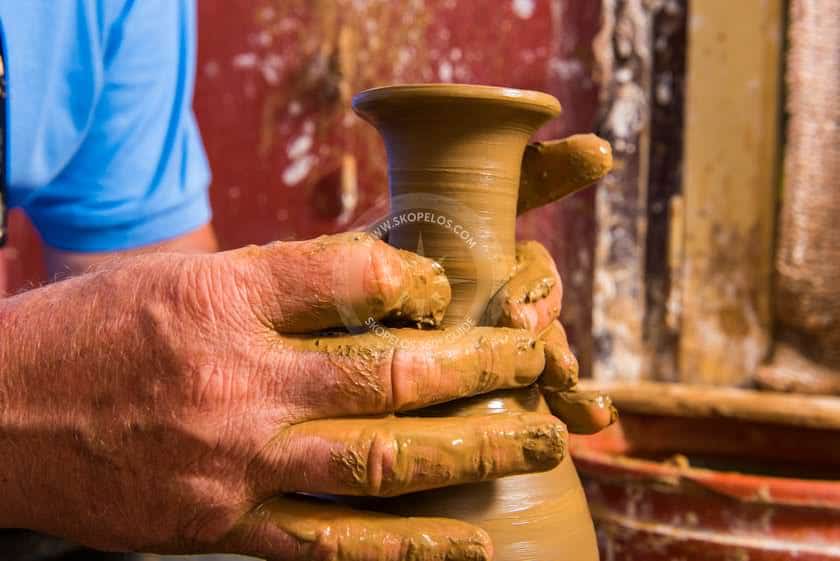
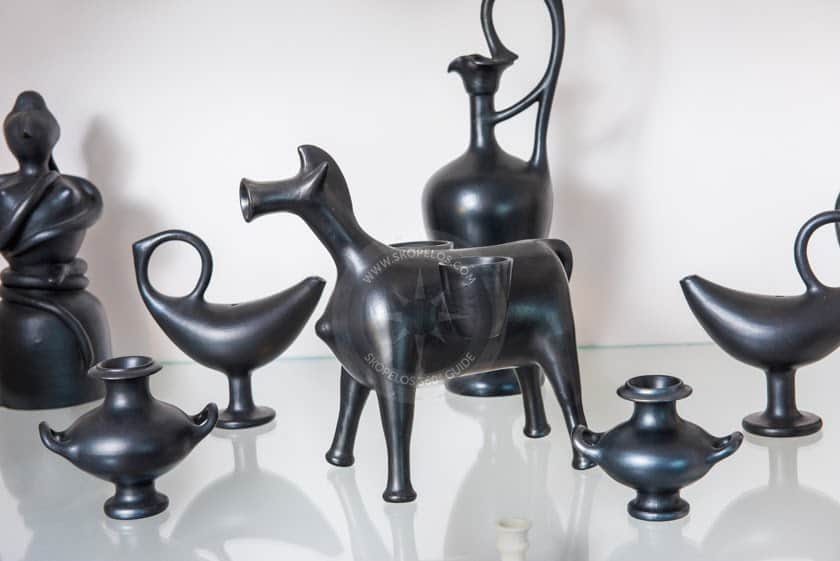
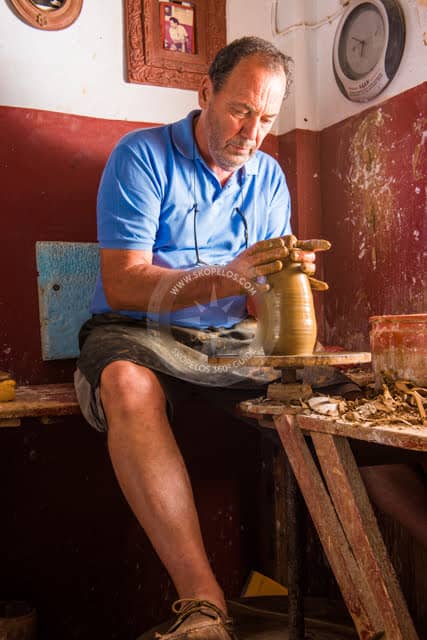
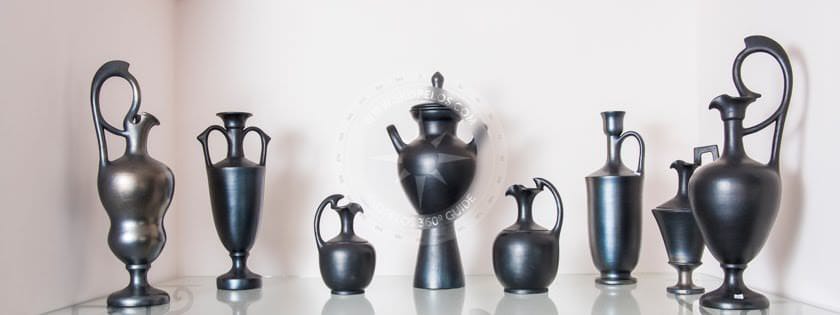
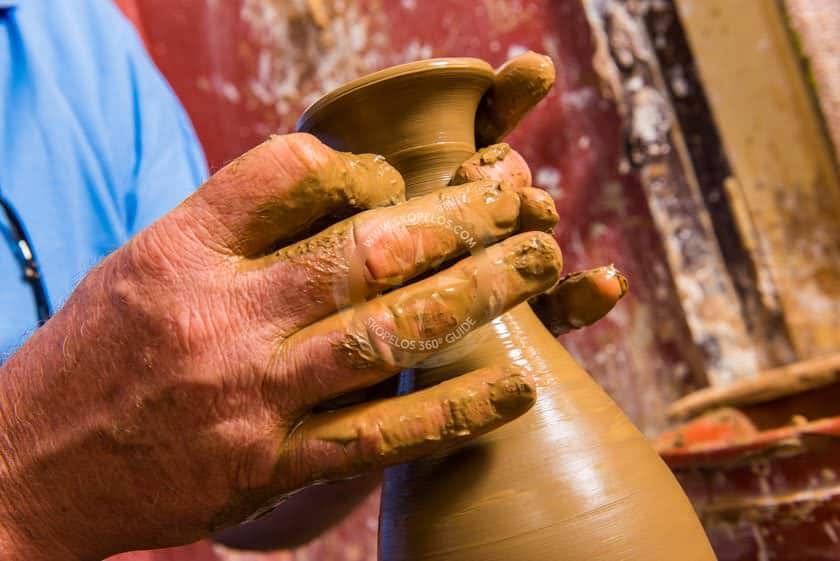
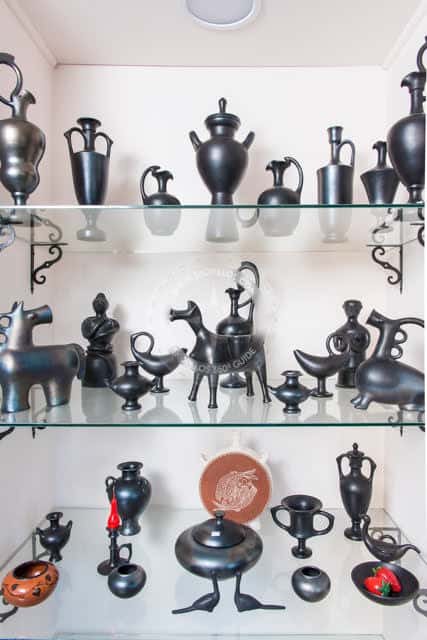
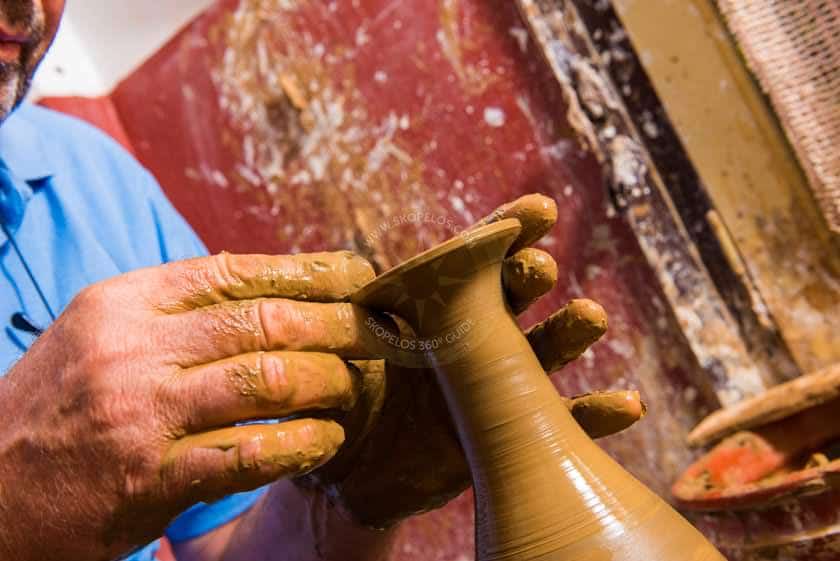
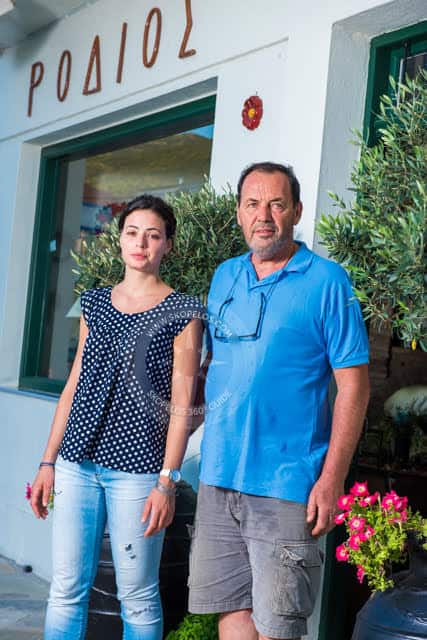
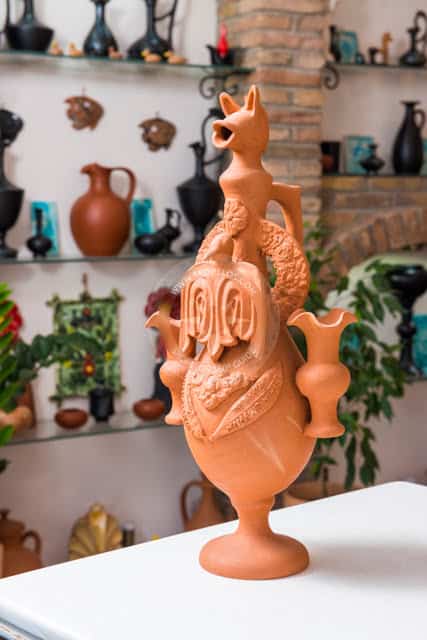
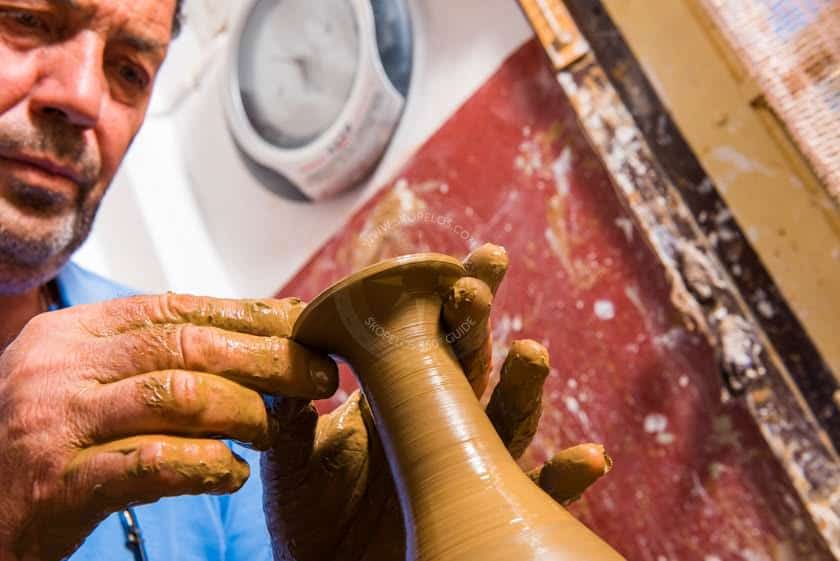
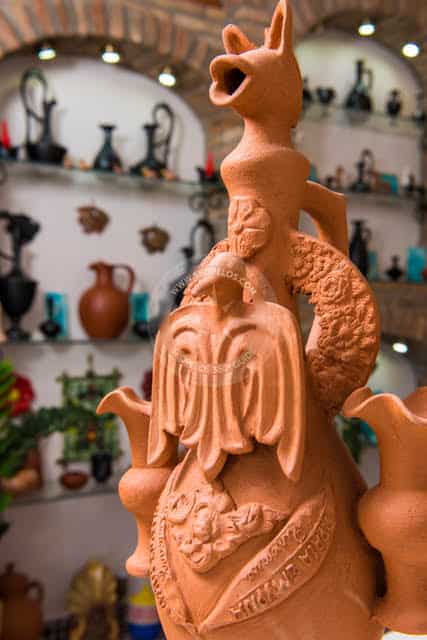
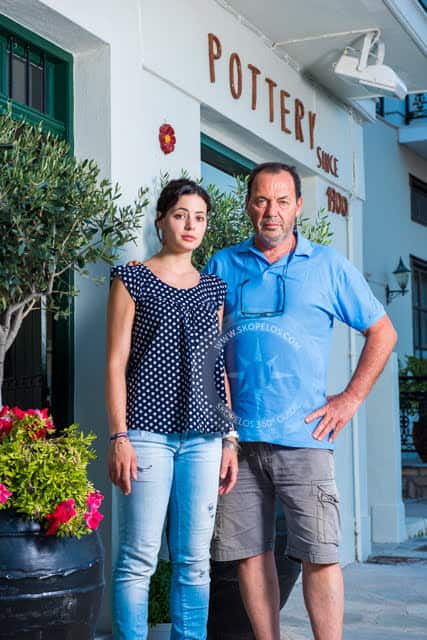
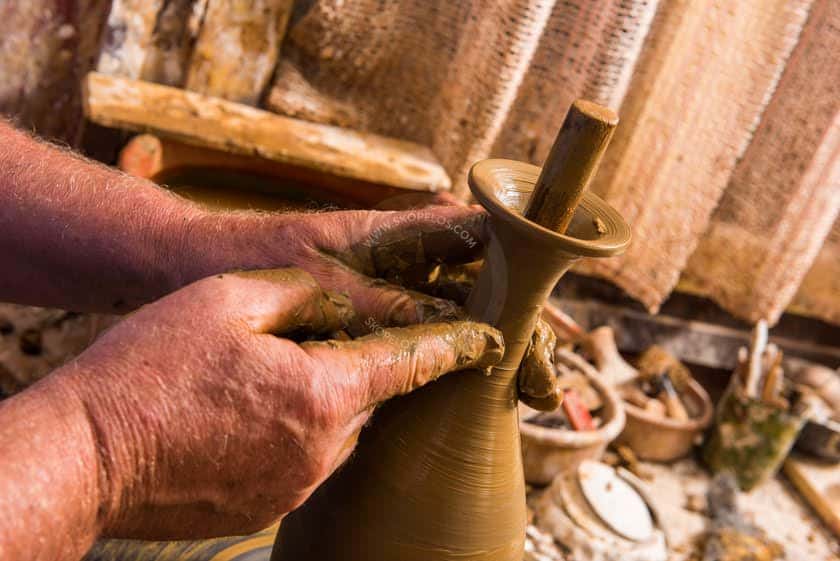
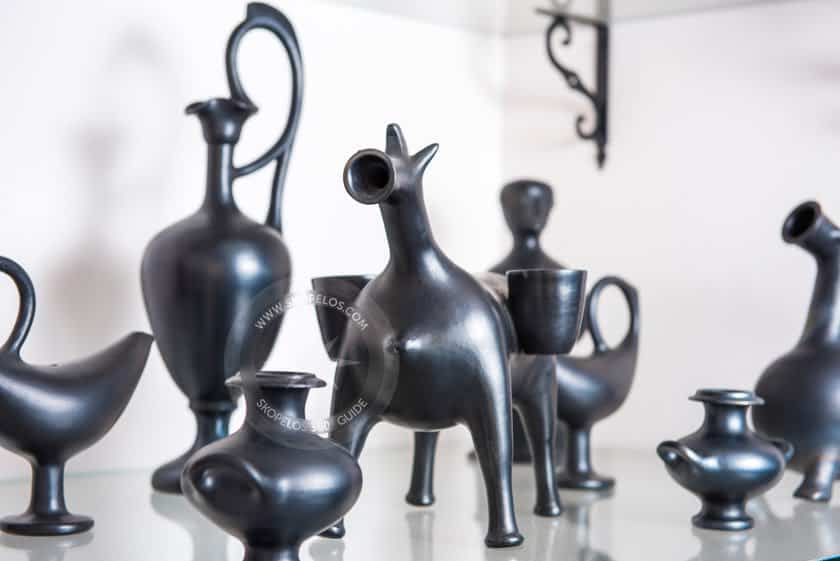
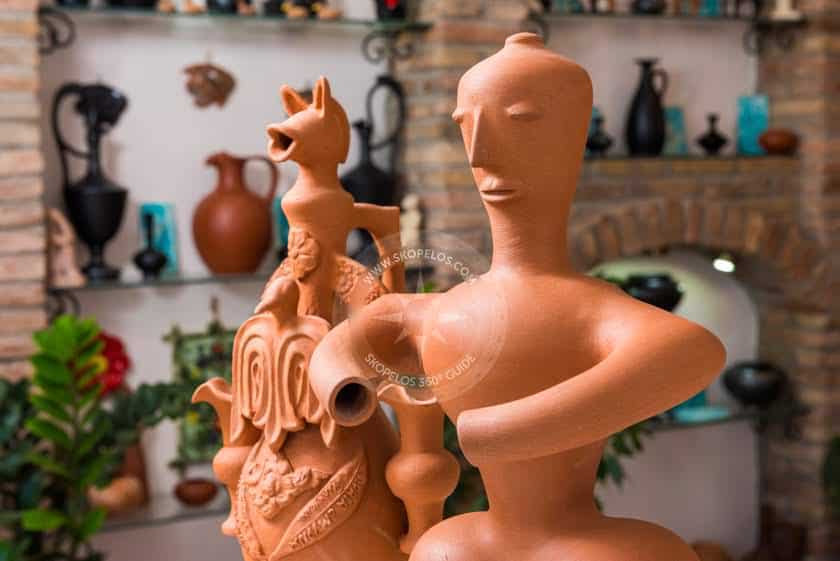
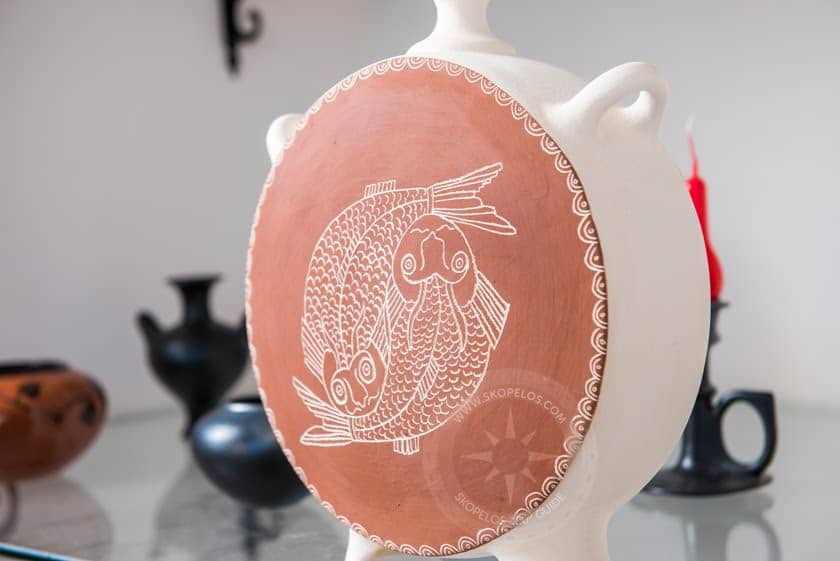
Nikos Rodios was born on 14/07/1952 in Athens. He grew up in an artistic environment and at the age of six he started, next to his father George and his uncle Vasilis, to turn the wheel and create his first clay objects. Within this family environment with its vast tradition, the influences were profound. As a primary school student on the island of Skopelos, he played with clay with his classmates in the family workshop. Later, the family settled, during the winter months, in Athens at the house of Amphithea in P. Faliro while Nikos was a student of the Gymnasium. There the family kept a small workshop in the basement of the house. It was then that he began to devote himself to the art of pottery, accompanied mainly by his talented and award-winning uncle Vassilis Rodios. Summers spent in Skopelos near the family broadened his knowledge of the art even more. After high school and while there were offers from the craft organization to study in Italy, he curiously found himself at the school of aircraft engineering. After finishing school and the military at the age of twenty-three, he settled permanently in Skopelos (1975) and was finally won over by pottery, continuing the long tradition together with his two teachers, his father, and his uncle. Since then he has taken part in both solo and collective art exhibitions in various parts of Greece: Athens, Thessaloniki, Volos, Skiathos, Skopelos. His objects can be found in museums as well as in many private collections. He has given many media interviews and has been featured in many TV stations and publications from Greece and abroad. Nikos Rodios continues with the same passion the tradition started by his ancestors more than 100 years ago, perfecting their creations but also constantly seeking new forms and new techniques. He works with exactly the same means that his father and uncle worked with. It seeks suitable soil from Skopelos earth, which he will later transform into countless masterpieces. The workshop has remained unchanged over the years and he works on the same foot wheel and insists on maintaining the same traditional way of baking in a wood-fired oven. It is reasonable to ask how he has managed to meet the ever-increasing demand for traditional ink pots on his own in the field of production and bring about the ever-increasing demand for traditional ink pots. Certainly, the loss at a relatively young age of his sister Maria, who was a painter and engraver of his own and his uncle’s vases, was a great loss. N. Rodios and his wife Maria, who was also engaged in the manufacture of ceramic objects, had two children, Vassilis and Magda. Magda, from childhood, gave the first signs of her talent by playing with clay. Then, with the encouragement of her father, year after year, she began to work more systematically. For the last two years and after her return to the island she has been working with her father. In the shop, which the family runs opposite the workshop in Skopelos, among her father’s ceramic works are Magda’s ceramics. The ceramic vases of the Rodiou family have received numerous honors in Greece and abroad. Most of these awards are listed in chronological order below: 1907 Bordeaux International Exhibition (France) Silver Award 1912 All Egypt Alexandra Exhibition Gold Award 1915 St. Francis World’s Fair of America Gold Prize and Medal 1925 Paris International Fair Gold Prize 1929 IV Thessaloniki International Fair Gold Prize 1930 Patent for gloss but and for the indelible black color of the vases. 1931 VI Thessaloniki International Fair Gold Prize 1931 Award in Bari, Italy 1931 Private letter from Eleftherios Venizelos at the time Prime Minister of Greece, in which he congratulates the artistic work of the family. 1937 Paris International Exhibition of Decorative Arts Gold Prize 1937 Panevonian Exhibition of Halki Gold Prize 1937 Award of the Academy of Athens for the The Academy of Athens Academy of Fine Arts. 1961 Award from the National Organization of Greek Craftsmanship.Phone: +24240 23605
Email: rodiospottery@hotmail.com
Facebook: facebook.com/profile.php?id=100051072595495
Loading Images