The Art and Tradition of Knife Making on Skopelos Island
Knife-making, Knife-makers, Skopelos local artists. Arts on Skopelos island. Tradition and culture. Christos Patsis, Antonis Ampelakias. Shopping. Traditional handmade knives, SKOPELOS BLOG, SKOPELOS BLOGSPOT, SKOPELOS BLOGGING, SKOPELOS BLOGS, SKOPELOS BLOGGERS
Skopelos, an island renowned for its natural beauty and rich cultural heritage, holds a lesser-known but deeply rooted tradition—knife making. This craft has been passed down through generations, with skilled artisans creating unique, handcrafted knives that reflect both utility and artistry. Among the most notable figures in this tradition were Christos Patsis and, more recently, Antonis Ampelakias.
A Tradition Rooted in History
The tradition of knife-making on Skopelos spans more than 200 years. The craft was once a closely guarded secret, with artisans hesitant to pass on their knowledge to outsiders. Early knifemakers such as Giorgos Koustrelos, Giannis Lemonis, and Panagiotis Asteriadis played a key role in shaping the island’s knife-making techniques. These artisans relied on rudimentary tools, but their skill and precision ensured that each knife was both a functional tool and a work of art.
In the past, knives were essential in daily life on the island. Shepherds, fishermen, farmers, and hunters all depended on these handcrafted blades for their work. Each knife was carefully crafted to be durable, ergonomic, and practical for various tasks. Beyond their functionality, these knives became symbols of craftsmanship and identity, with each artisan leaving their mark on the blades they created.
Materials and Craftsmanship
The process of making a traditional Skopelian knife is both meticulous and time-consuming. Each knife is handcrafted using a combination of durable and locally sourced materials. The key components include:
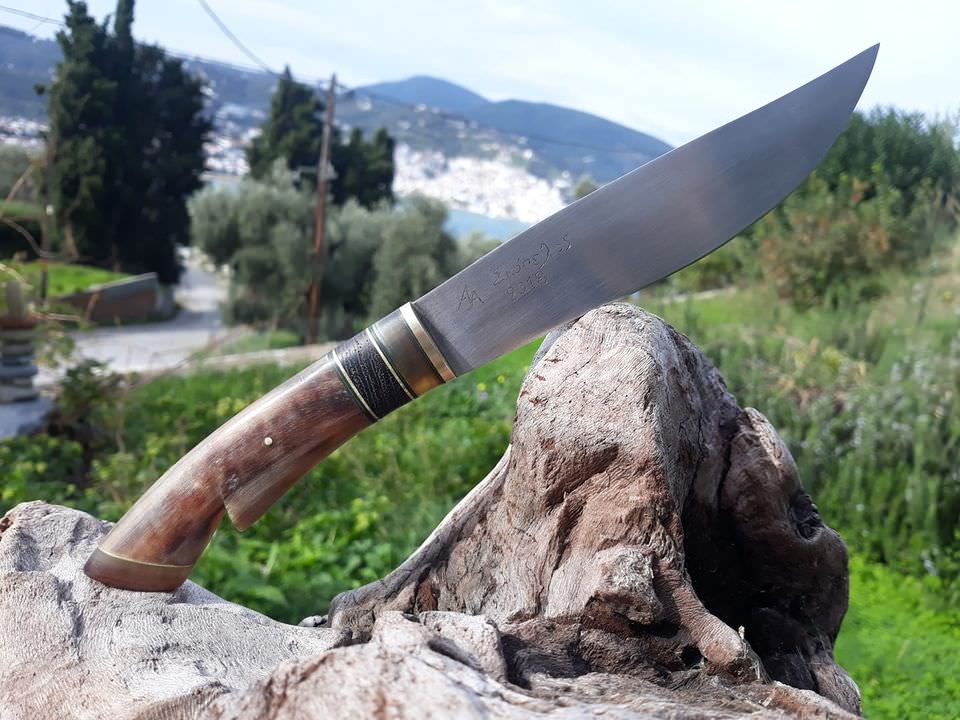
- Blade: Made from stainless steel, ensuring strength, sharpness, and resistance to rust. In earlier times, old metal files and other repurposed metals were often used to forge blades.
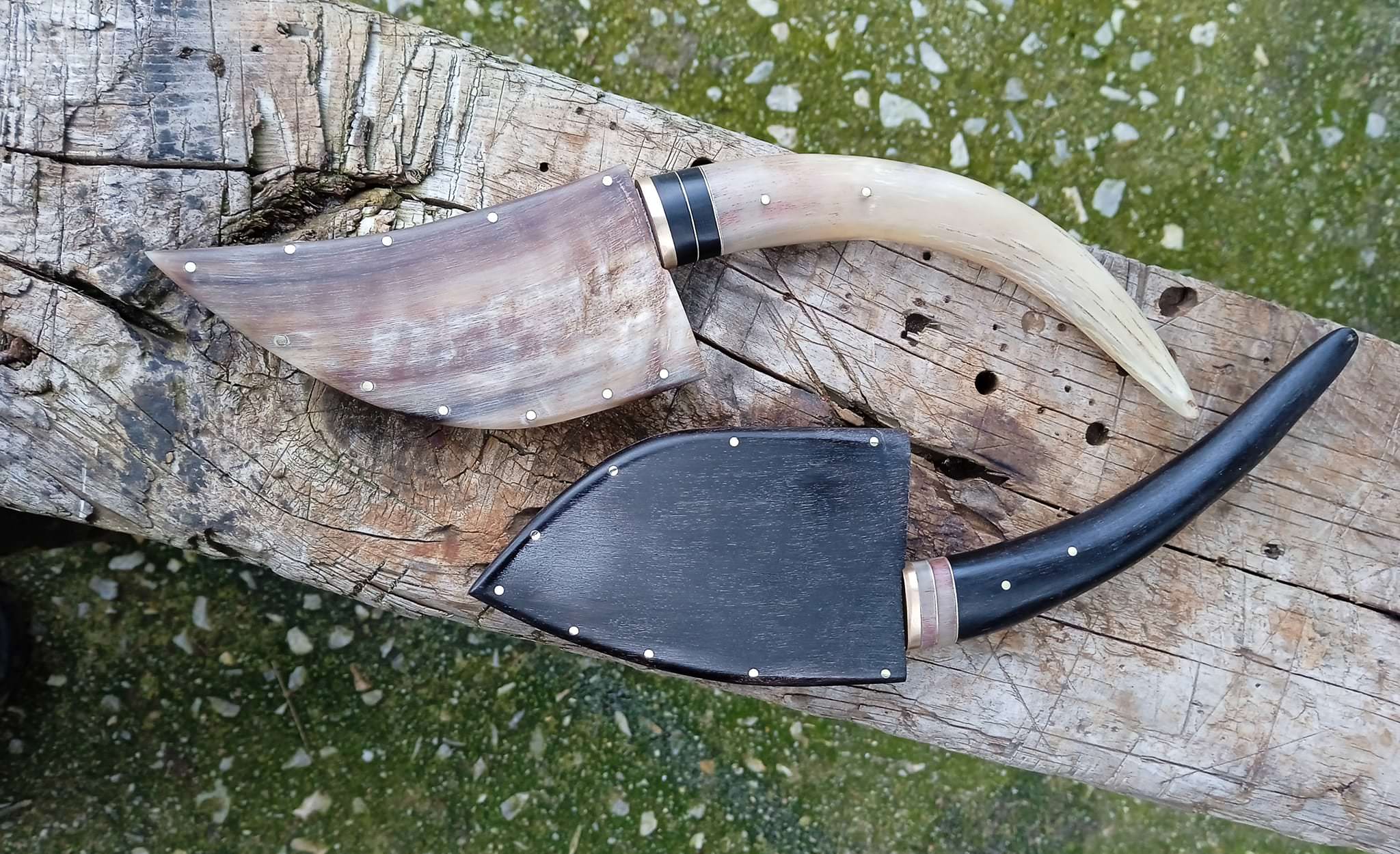
- Handle: Traditionally made from goat horns that were dried for three years before being heated and shaped. This provided a strong, ergonomic grip.
- Sheath: Crafted from pine or cypress wood, offering protection and durability.
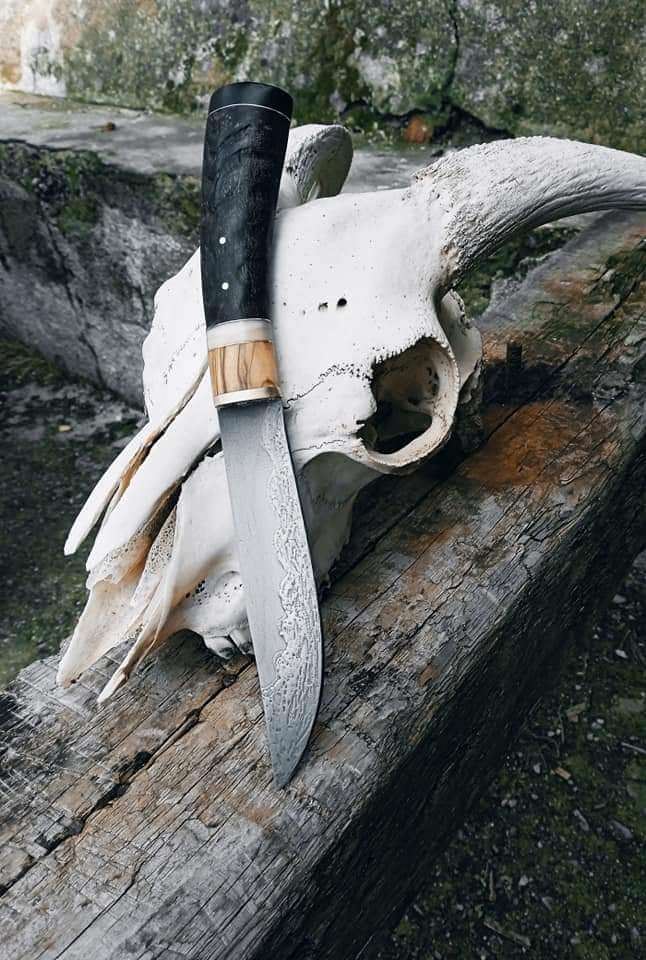
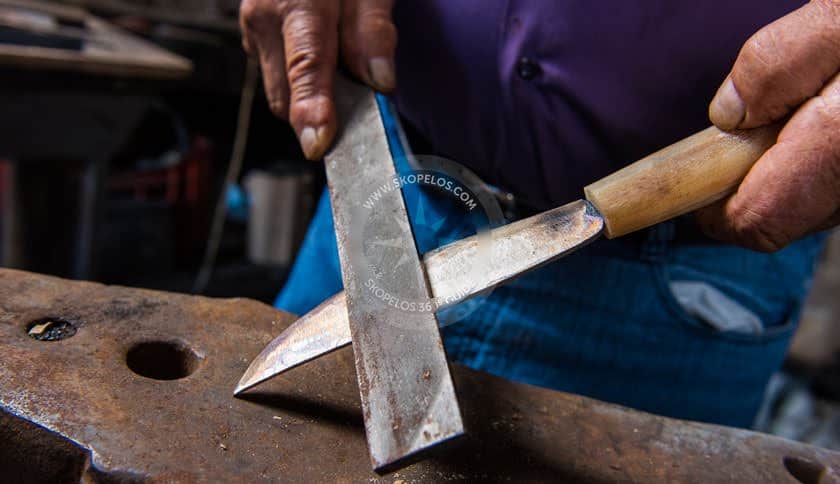
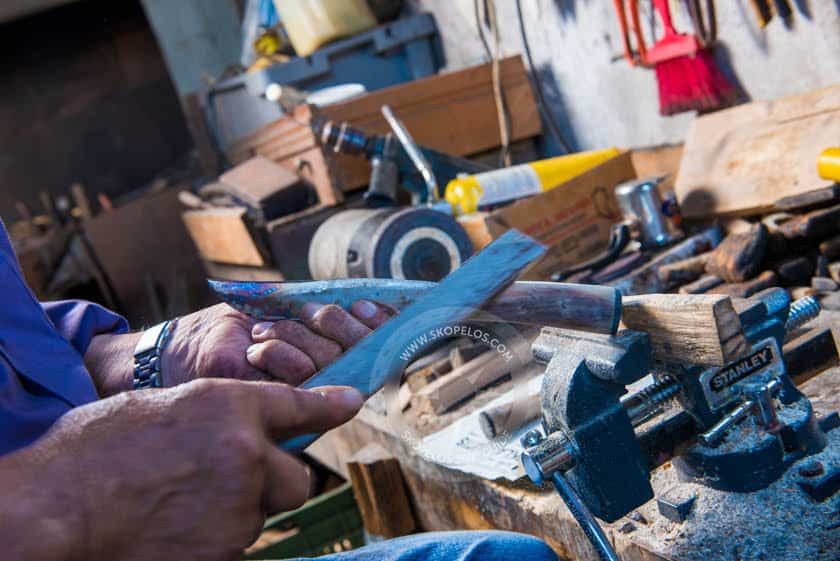
The creation process involves heating the metal in a furnace, forging the blade on an anvil, and meticulously sharpening it to ensure precision. The handle is shaped and polished before being securely attached to the blade. Each knife requires a full day of labor to complete, reflecting the artisan’s dedication and attention to detail.
Christos Patsis: The Master Knifemaker
Christos Patsis was a legendary craftsman in Skopelos, often referred to as the island’s last traditional knifemaker. He dedicated over 65 years of his life to perfecting the art of knife making, using time-honored techniques passed down from the island’s earliest craftsmen. He once said, “The technique of the manufacture of knives in Skopelos is passed from generation to generation, and the cutler wrote his name above the name of his island.”
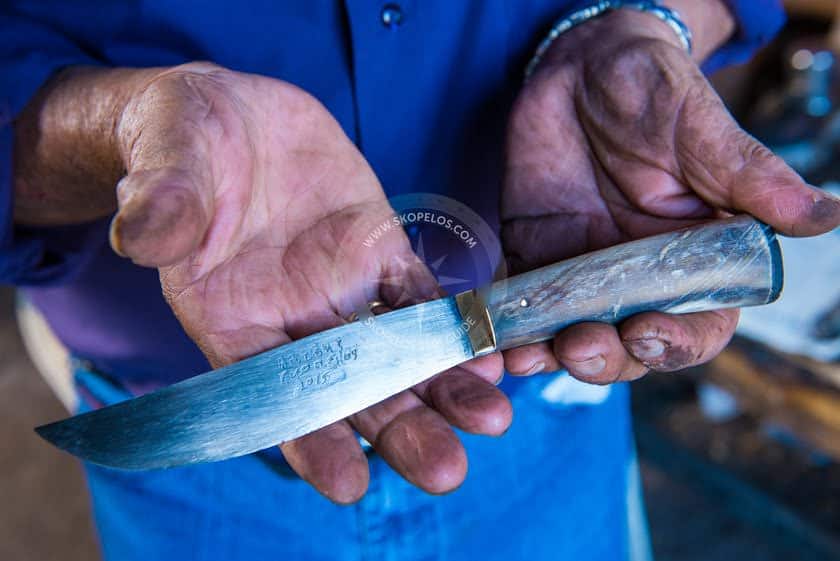
Mr. Christos Patsis himself unconventionally learned the craft—by secretly watching Asteriadis at work through the reflection of a window, as the older craftsmen were reluctant to share their skills with outsiders.
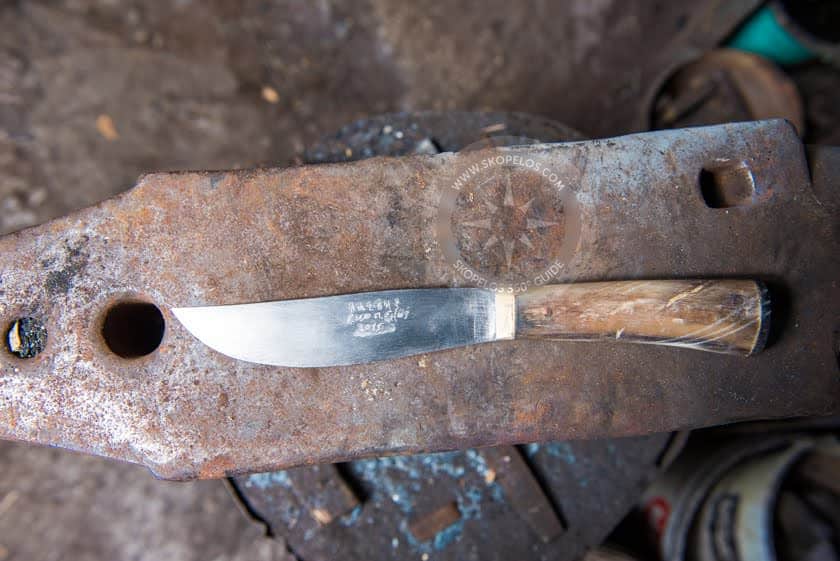
Using stainless steel for the blades and goat horns that had been dried for three years for the handles, Patsis created approximately 300-350 knives each year. Every knife bore his signature along with the name of Skopelos, marking them as both practical tools and pieces of art. Despite the declining interest among younger generations, he remained determined to preserve this craft, eventually passing it on to his son, Pantelis Patsis.
Antonis Ampelakias: A Modern Custodian of Tradition
With the passing of Christos Patsis, the responsibility of continuing the Skopelian knife-making tradition fell to a new generation. Antonis Ampelakias is one such artisan who has taken up the mantle. His journey into knife-making began in 2016 when he met Patsis and received his first lessons in the craft. By 2019, his work had gained recognition, and he was featured in a book on Greek knifemakers, solidifying his reputation in the field.
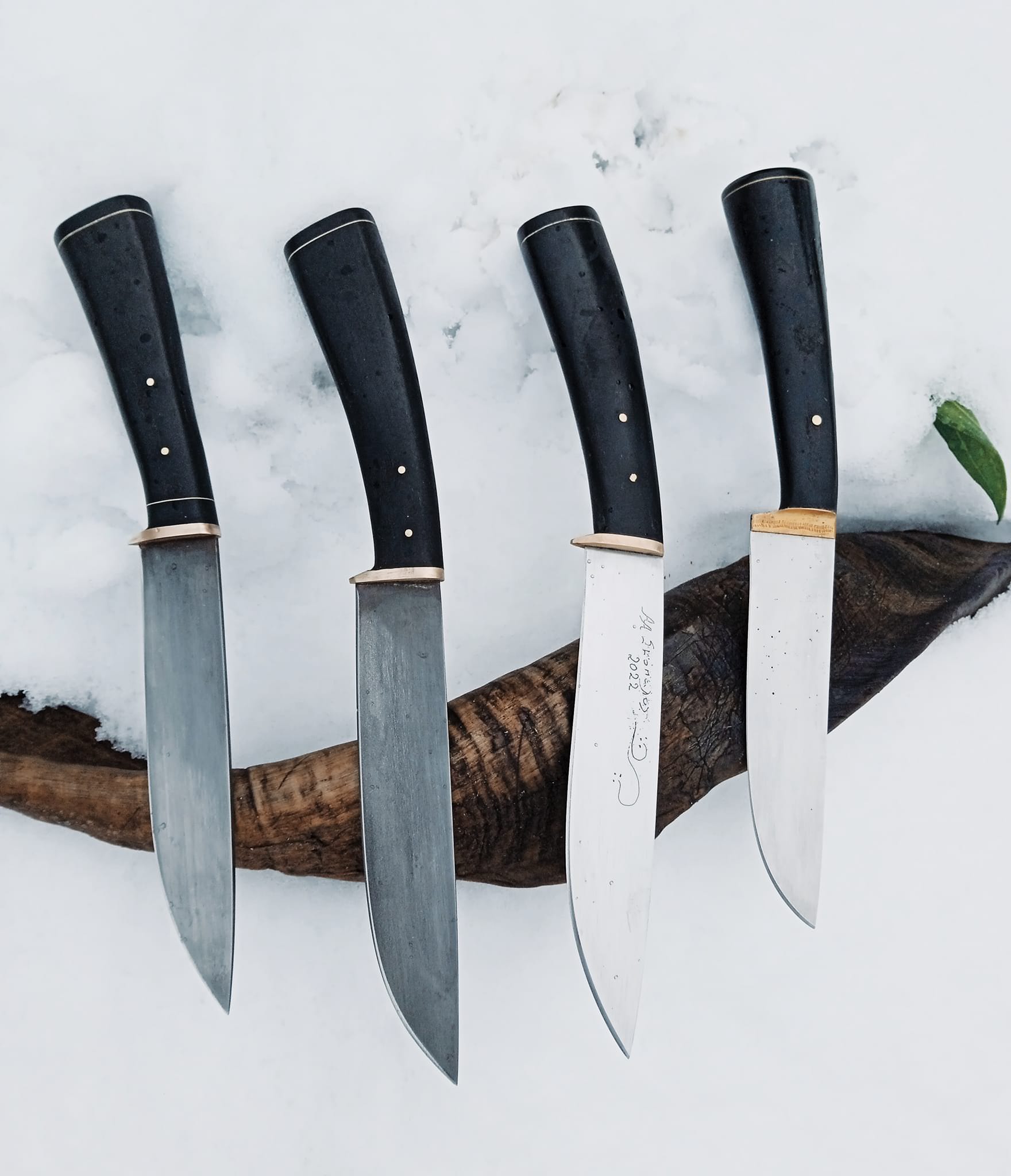
Ampelakias blends traditional Scopelian techniques with modern influences, producing a wide range of knives, from butter and kitchen knives to hunting and shepherd’s knives. His focus remains on functionality and ergonomics without compromising aesthetic appeal. He uses recycled steel, commercial steel, and natural materials such as goat and ram horns for handles while crafting sheaths from scotch wood. Apart from creating new knives, Ampelakias is also involved in restoring old knives, breathing new life into historical pieces crafted by past generations of Skopelite artisans. His participation in exhibitions across Greece has highlighted the enduring appeal of traditional techniques, emphasizing the importance of preserving this unique heritage.
The Importance of Preserving the Tradition
The art of knife making on Skopelos is more than just a craft—it is a legacy that connects past and present artisans. In a time when mass production has replaced many traditional crafts, handmade knives from Skopelos stand as a testament to human skill, patience, and artistry. Preserving this craft is crucial not only for its historical significance but also for its cultural and economic impact on the island. Handcrafted knives represent the essence of Skopelian heritage, and ensuring their survival allows future generations to appreciate and continue this centuries-old tradition.
While the challenges of modernization and changing market demands pose threats to its survival, dedicated craftsmen like Antonis Ampelakias continue to keep the tradition alive. As long as some appreciate the value of handmade, high-quality tools infused with history and soul, the legacy of Skopelian knife-making will endure. Skopelos.com – Skopelos Blog Blog.Skopelos.com – Skopelos.com/Blog Author – Adrina Hotels Skopelos – www. Adrina.gr www.AdrinaBeach.com www.AdrinaResort.com